

Reverse Mortgage Advice for Moreton Bay Retirees
A reverse mortgage can let you access some of the value in your home without selling it or making regular repayments. It can also reduce what's left for you and your family later. Kyle Downey takes you through how it works, what it costs over time and what else is available, so you can make the decision with your eyes open.



Take it as a lump sum, regular income, line of credit or a mix.

Kyle shows you how the loan could grow before you commit.
How a Reverse Mortgage Works
A reverse mortgage is a loan secured against your home, generally available to homeowners aged 60 and over. You can take the money as a lump sum, a regular income stream, a line of credit or a combination of these.
You don't make regular repayments. Instead, interest is added to the loan balance, and interest is then charged on that higher balance. The loan is repaid in full when you sell the home, move into aged care or pass away.
People commonly use a reverse mortgage to:
-
Top up retirement income
-
Pay for home repairs, renovations or modifications
-
Cover medical or care costs
-
Clear an existing mortgage or other debts
How Much Could You Borrow?
The amount depends mainly on your age and the value of your home. Generally, the older the youngest borrower, the more a lender will allow. At 60 the limit is usually a modest share of your home's value, and it rises gradually with age. Lenders also consider where the property is and its condition.
Before any reverse mortgage goes ahead, Kyle will take you through projections showing how your loan and your remaining equity could change over time, including if house prices or interest rates move.
Book a chat and he'll run the numbers for your home, so you can see the full picture before you decide anything.
What a Reverse Mortgage Costs
Kyle walks you through the numbers for your situation, so you can see what the loan could look like in five, ten and fifteen years before you commit to anything.
-
Interest rates are usually higher than standard home loan rates
-
Interest compounds, so the balance grows faster the longer the loan runs
-
Establishment fees and ongoing fees vary between lenders
-
Because nothing is repaid along the way, the amount owed can grow significantly over 10 to 15 years
Things to Weigh Up First
-
Your Age Pension: drawing on a reverse mortgage can affect your entitlements. Check with Services Australia or a financial adviser before you decide.
-
What's left later: a reverse mortgage reduces the equity available to you in future, and to anyone who inherits your home.
-
Others living with you: if someone lives in the home but isn't on the loan, they may need to leave when the loan ends. Ask how each lender handles this.
-
Future care costs: many people use home equity to fund an aged care move later on, so it's worth planning for.
-
Legal advice: many lenders require independent legal advice before the loan settles, and it's sensible either way.
-
Your family: a reverse mortgage affects the people close to you, so we encourage you to talk it through with them.
Ask Kyle
Common Reverse Mortgage Questions
How does a reverse mortgage work?
A reverse mortgage lets homeowners aged 60 and over borrow against the value of their home. You don't make regular repayments. Interest is added to the loan, and the full balance is repaid when you sell the home, move into aged care or pass away.
How much can I borrow with a reverse mortgage?
It depends mainly on your age and your home's value. The older you are, the more a lender will generally allow. Before you apply, you'll be shown projections of how the loan and your remaining equity could change over time.

Will a reverse mortgage affect my Age Pension?
It can. How the money is treated depends on how you draw it and what you do with it. Check with Services Australia or a financial adviser before deciding, and we can take you through the loan side.
Can I end up owing more than my home is worth?
No. Reverse mortgages taken out since 18 September 2012 include negative equity protection, which means you can't owe the lender more than your home is worth when it's sold.
Meet our Team

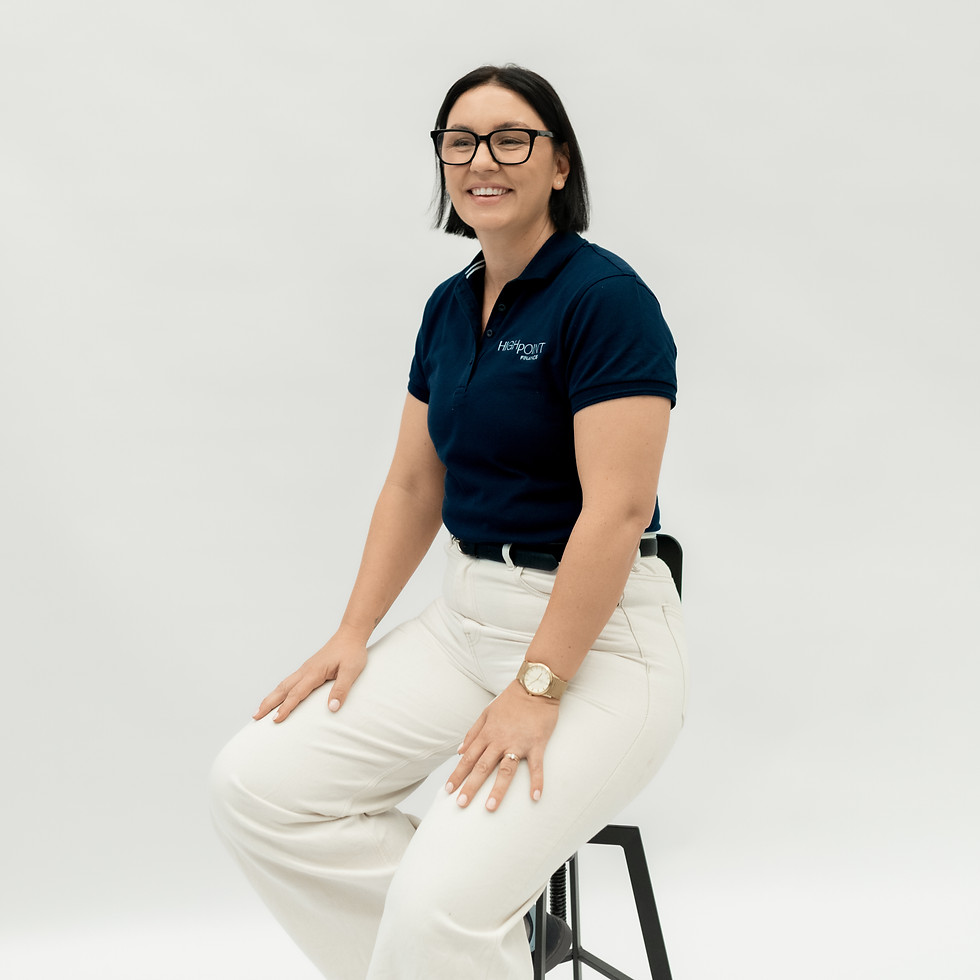
Kyle Downey
Principal Broker
Phone: 0493 010 111
Email: kyle@highpointfinance.com.au
With 12 years of lending experience at one of the big four banks, Kyle has helped hundreds of first home buyers understand their options and get into their first place with confidence. He knows exactly what lenders look for, and takes the time to explain every step in plain English, so you always know where you stand.
Megan Downey
Broker Support
With a keen eye for detail, Megan assists with paperwork, applications and regular client updates, helping make the process feel simpler and less stressful. Megan is also dedicated to providing clients with an annual home loan review, helping them stay informed about their current loan, interest rate and available options as their needs or the market change.
Our Partners







CONTACT US
Get in touch today
When we help you with your borrowing needs, we consider you to be a client for life. We want you to be confident that you are working with professionals who have your best interests in mind now and in the long term.
We have many years of experience in finance and professional mortgage broking. Our aim is to find you the best loan for your needs, and to make the process as simple and transparent as possible.
Please get in touch with us today.
The privacy of your personal information is important to us. By providing your personal information to High Point Finance, you consent to be contacted by a representative of High Point Finance from time to time for marketing purposes. We will use your contact details to send you direct marketing communications including offers, updates and newsletters that are relevant to the services we provide. We may do so by mail or electronically. You can unsubscribe by notifying us and we will no longer send this information to you. Click <here> to view our full Privacy Policy.
The information on this page is general in nature and does not take into account your objectives, financial situation or needs. Consider whether it's right for you, and seek independent financial and legal advice before making a decision.